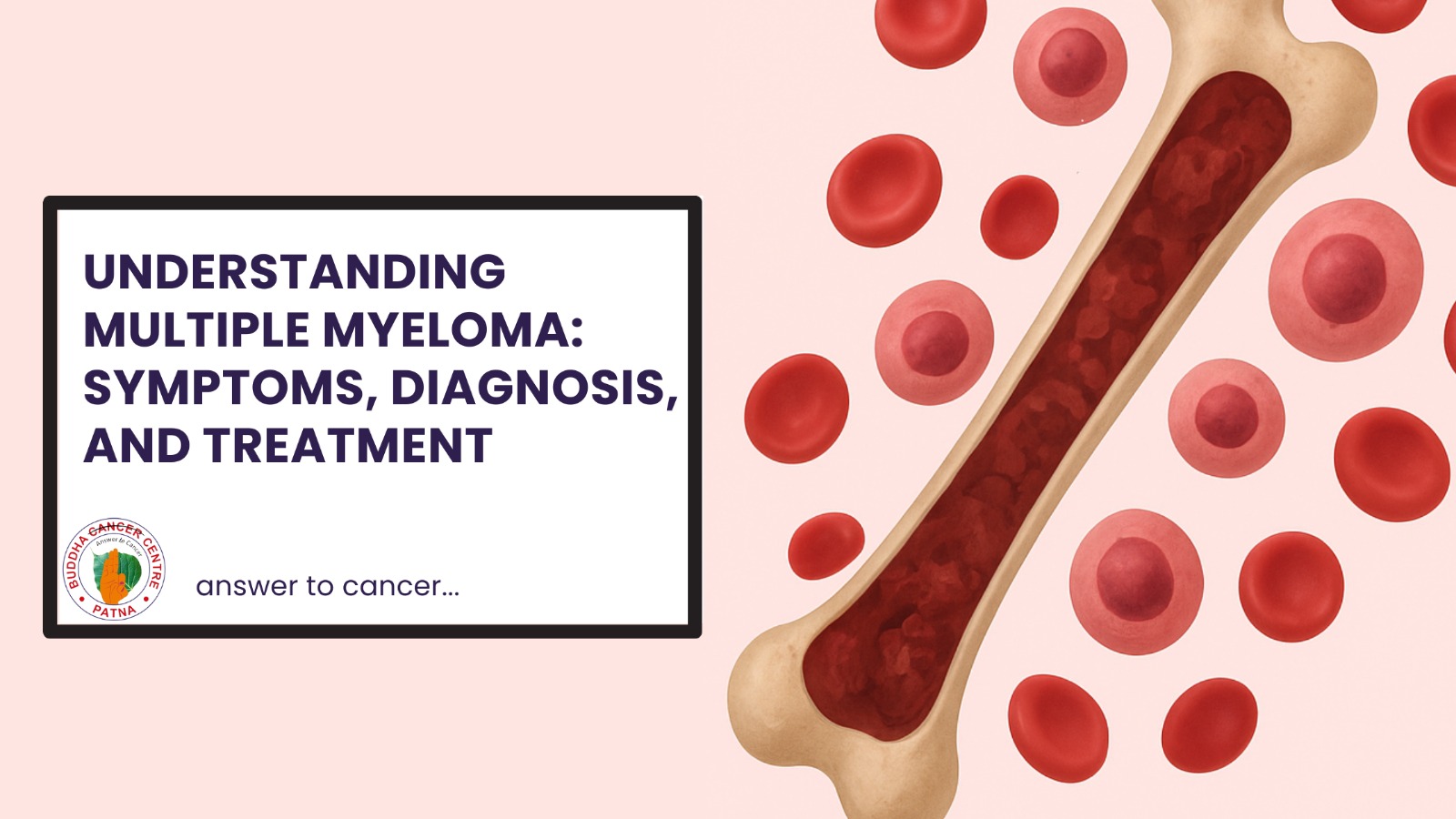
Understanding Multiple Myeloma: Symptoms, Diagnosis, and Treatment
Multiple myeloma is a type of blood cancer that starts in plasma cells—important immune cells found in the bone marrow. When these cells start multiplying abnormally, they affect blood production, weaken bones, damage kidneys, and reduce immunity.
Although it is considered a relatively uncommon cancer, awareness, early diagnosis, and advanced treatment options have significantly improved patient outcomes over the past decade.
What Happens in Multiple Myeloma?
In multiple myeloma, cancerous plasma cells accumulate in the bone marrow and produce abnormal proteins known as M-proteins or paraproteins. These proteins can harm bones, kidneys, and the immune system.
- Bone destruction
- Reduced blood cell production
- Impaired kidney function
- Weakened immunity
Common Signs and Symptoms
Early stages may have no noticeable symptoms. However, as the disease progresses, patients may experience:
- Bone Pain – Often in the spine, ribs, or hips. Bones may become weak or fracture easily.
- Fatigue and Weakness – Due to anemia caused by reduced red blood cell production.
- Frequent Infections – The immune system becomes weak, making the body more prone to infections.
- Kidney Problems – Abnormal proteins produced by cancerous plasma cells can damage the kidneys.
- Numbness or Weakness – Sometimes caused by spinal cord compression.
If these symptoms persist, it is important to consult an oncologist or haematologist.
Who Is at Risk?
- Age above 60
- Male gender
- Family history of blood disorders
- Exposure to radiation or chemicals
- Obesity
How Is Multiple Myeloma Diagnosed?
Diagnosis usually involves a combination of tests:
- Blood Tests – To detect M-protein, calcium levels, kidney function, and anaemia.
- Urine Tests – Check for Bence Jones proteins (light chains).
- Bone Marrow Biopsy – Confirms presence of abnormal plasma cells.
- Imaging Studies:
Doctors often use the CRAB criteria (Calcium, Renal, Anaemia, Bone lesions) to assess disease severity.
Treatment Options
Treatment depends on disease stage, symptoms, age, and overall health. Common treatment options include:
- Targeted Therapy – Medications that attack myeloma cells specifically.
- Immunotherapy – Boosts the immune system’s ability to fight cancer.
- Chemotherapy – Destroys rapidly growing cancer cells.
- Steroids – Help control inflammation and kill myeloma cells.
- Stem Cell Transplant
- Often recommended for eligible patients (typically under 70).
- Uses high-dose chemotherapy followed by infusion of healthy stem cells.
- Radiation Therapy – Used for severe bone pain or localized lesions.
- Supportive Treatments
- Bone-strengthening drugs
- Pain management
- Treatment for kidney issues
Living with Multiple Myeloma
Today, multiple myeloma is considered a manageable chronic cancer for many patients due to advances in treatment. Regular monitoring and follow-up tests are essential to track disease activity.
Lifestyle tips for better management:
- Maintain a balanced diet rich in proteins and vitamins
- Stay physically active as tolerated
- Take infection precautions
- Avoid smoking and alcohol
- Keep kidneys healthy by staying hydrated (as advised by your doctor)
Multiple myeloma is a serious but manageable cancer when diagnosed early and treated with a personalized, multi-disciplinary approach.
At Buddha Cancer Centre, Patna
Our expert Hemato-Oncology team combines advanced medical technology with compassionate care to deliver the best outcomes.